


Shopping & Services
When private labels become brands
Once seen mainly as functional and attractively priced, private labels are increasingly becoming brands in their own right, with clear positioning, a distinctive identity, and relevance in customers’ everyday lives.


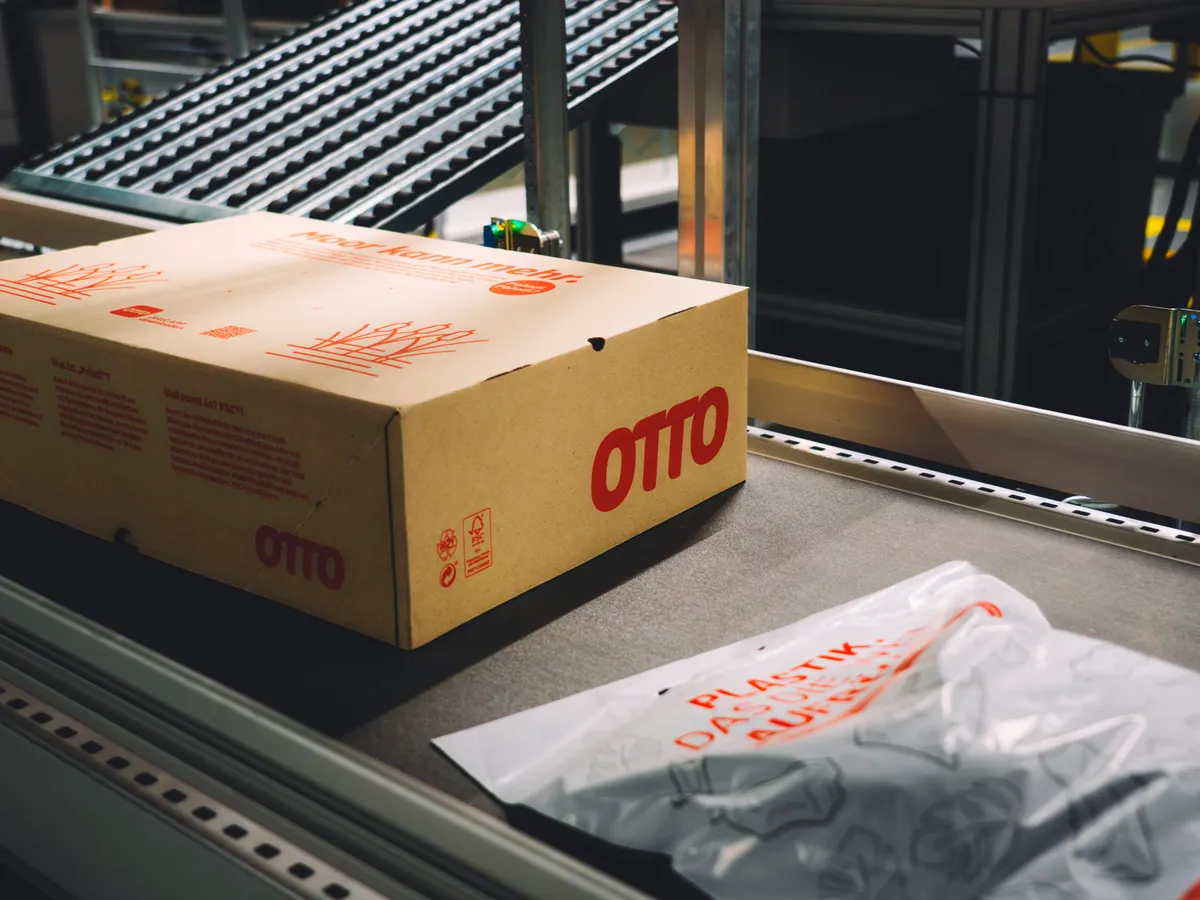
Private labels were long considered a pragmatic addition to the product range: functional, attractively priced, and rarely associated with an emotional connection. This perception has changed significantly in recent years. Across industries, private labels are gaining importance, not just as a lower-priced alternative, but as a conscious choice. This change is also relevant for OTTO.
Private labels as a strategic lever
The extent to which the role of private labels has changed can be seen in market developments: Around 39 percent of sales value in the European grocery retail sector is accounted for by private labels of the major supermarket chains. What matters is not just their share, but also consumer attitudes: 84 percent say they will continue to choose these private labels even if their purchasing power increases.
These figures point less to a shift in pricing than to a change in consumer attitudes: Today, those who choose a private label often do so because of factors such as quality, design, reliability, or the overall brand experience. For retailers, this changes the role of private labels: They are no longer just a tool for managing the product range and margins but can become part of the overall brand experience. This can help create a distinctive and recognisable identity for customers.
OTTO and private labels: a clear approach
At OTTO, private labels are a central part of the product range. They make it possible to develop products based on specific customer needs while maintaining a consistent approach to quality, design, and functionality.
With OTTO home, OTTO launched its own Home & Living brand at the beginning of 2026, bringing together furniture, home textiles, home décor, and household items. The goal is to help customers navigate a growing product range. OTTO home is aimed at customers looking for reliable quality, contemporary design, and good value for money, in line with what they expect from the OTTO brand.

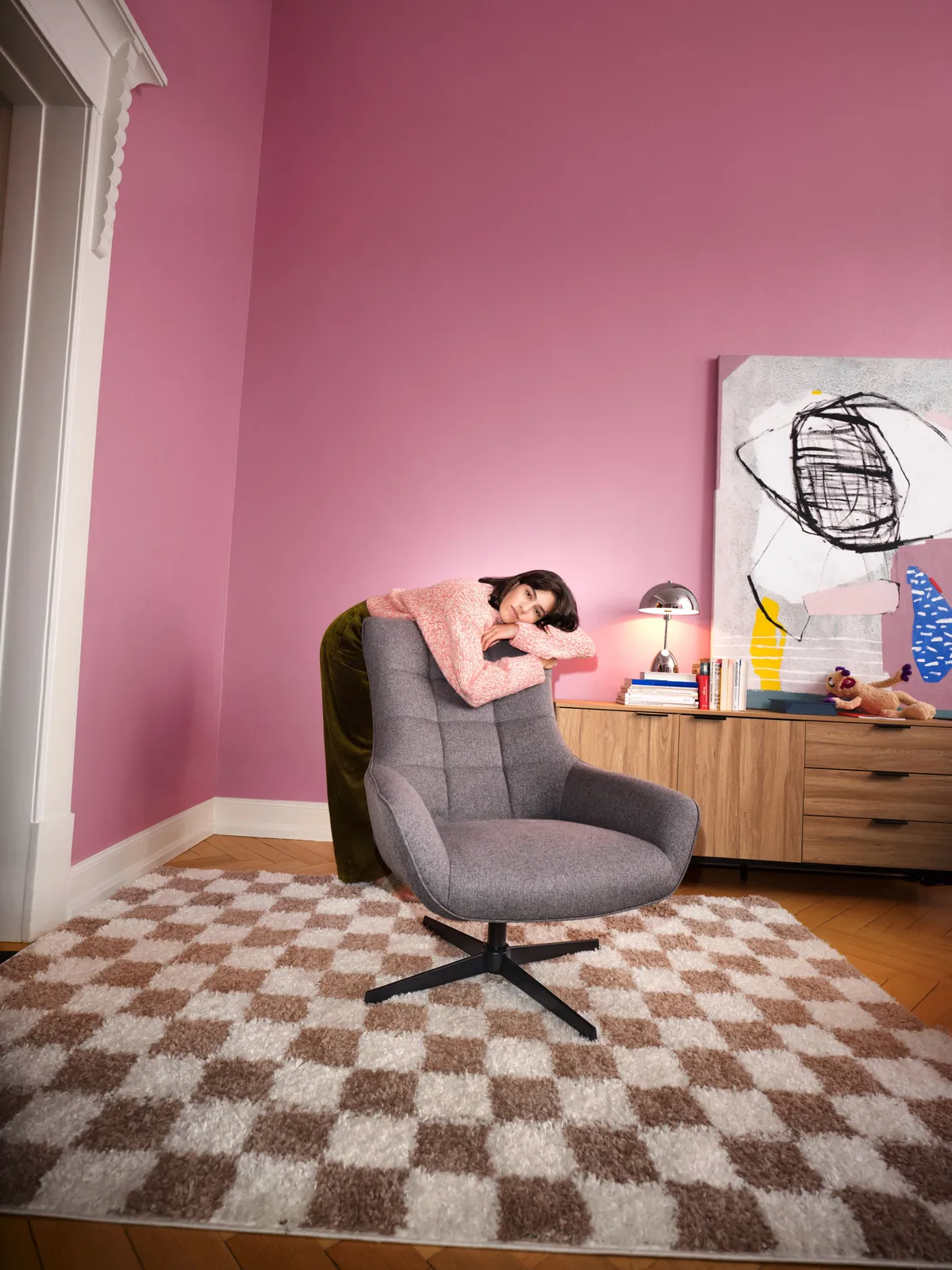

This broad offering is complemented by curated private labels with a distinctive design identity. homsy by Ana Johnson is a jointly developed home collection that translates a distinctive aesthetic into its products. Natural materials, warm colours, and soft shapes define the collection.
LeGer Home by Lena Gercke is also an OTTO private label. The brand brings LeGer’s minimalist design aesthetic from fashion into the world of interiors.
Hanseatic: functionality instead of lifestyle positioning
A different but equally important role is played by Hanseatic. The brand focuses on household and kitchen appliances and primarily appeals to customers looking for practical solutions. The focus is on reliability, ease of use, and good value for money.
Together with brands positioned more strongly around emotion or aesthetics, Hanseatic illustrates how OTTO’s private labels fulfil different roles within the product range.
LASCANA: strong brand presence and an independent market position
LASCANA plays a distinctive role within this portfolio. The brand was developed as an OTTO private label for women’s lingerie in the early 2000s. However, LASCANA has gradually evolved beyond its origins, with its own product range, dedicated sales channels, and an international presence. Today, LASCANA operates as an independent brand. Its origins remain relevant as an example of how private labels can evolve over time: When expertise in fit, a distinctive brand identity, and strong customer relationships are consistently developed, a private label can grow into an independent brand.
Outlook: long-term relevance rather than short-term impact
The growing importance of private labels is not simply a short-term trend, but reflects a broader structural change in retail. Trust and consistency are becoming more important than the sheer breadth of a product range.
For OTTO, this means continuing to develop our private labels strategically as part of our overall brand portfolio, with clear roles, defined customer propositions, and a realistic understanding of our customers’ everyday needs.
Contact