


Responsibility
OTTO reduces sea freight emissions by 15 percent
To further reduce CO2 emissions on global transport routes, the largest German online retailer is cooperating with the GoodShipping initiative. By using biofuels from certified waste and residual materials, the balance is measurably reduced on the sea route.
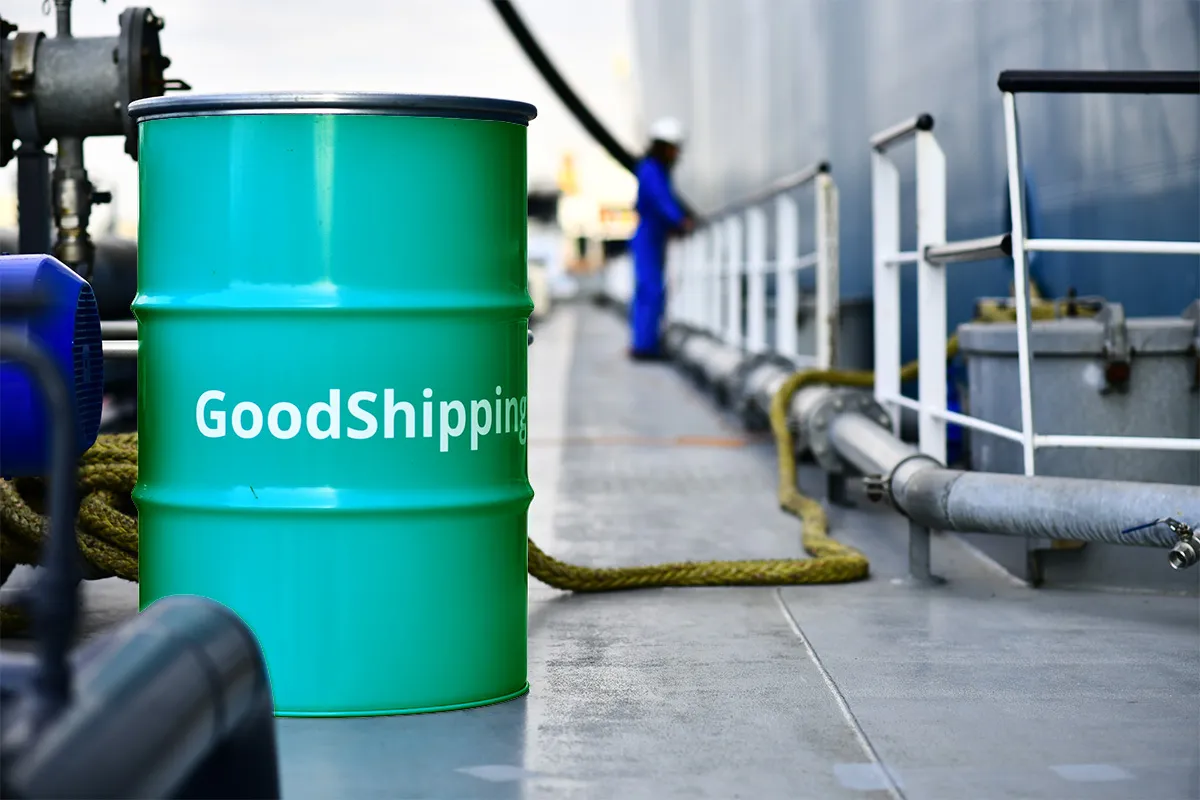

GoodShipping, a Dutch company, works with companies to reduce emissions associated with maritime transport by replacing conventional marine fuel with biofuels. The biofuels are derived from various waste streams, such as used cooking oil and fats from food production. As part of the cooperation, OTTO plans to replace an amount of conventional marine fuel corresponding to up to 15 percent of its CO2 emissions from sea freight in the 2023/24 fiscal year. In a first step, the figure will be ten percent.
Measures to Reduce Sea Freight Emissions
The cooperation is part of OTTO's strategy. Following measures relating to air freight, OTTO is now also focusing on emissions from sea freight. Alternative fuels are one of the approaches being used: “The biggest disadvantage of marine diesel is the emission of greenhouse gases and pollutants such as soot particles and particulate matter. Depending on the fuel used and the calculation method, biofuels can reduce greenhouse gas emissions compared with conventional marine fuel,” explains Gesa Beckmann from OTTO.
The container ships do not need to be converted to use the alternative fuel. The biofuel used is produced from existing waste streams rather than being produced specifically for this purpose. According to the information available for the cooperation, this includes waste streams such as used cooking oil and fats from food production. GoodShipping only uses fuel that is certified according to defined criteria by certification systems such as ISCC (International Sustainability & Carbon Certification).
Pressekontakt