


Responsibility
Peatlands: Why They Matter for Climate Protection
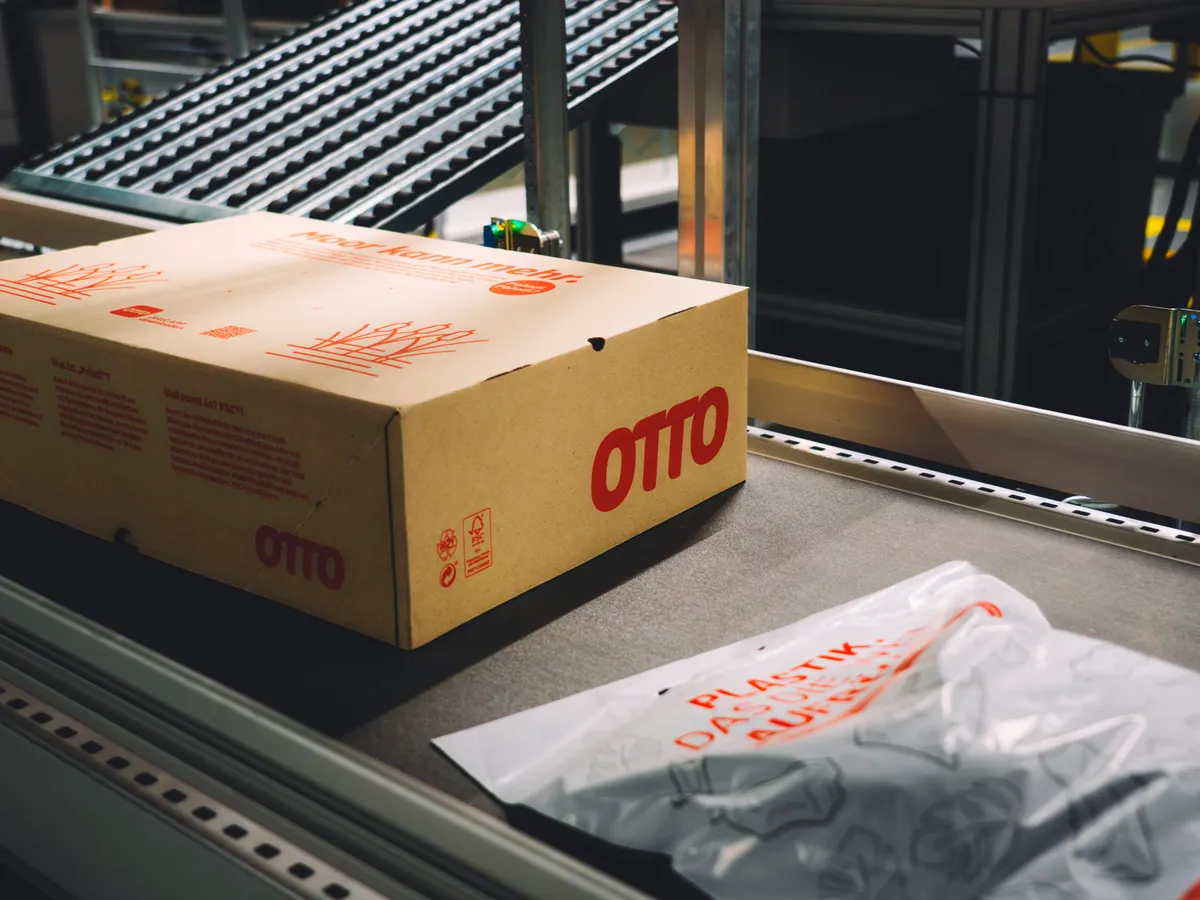
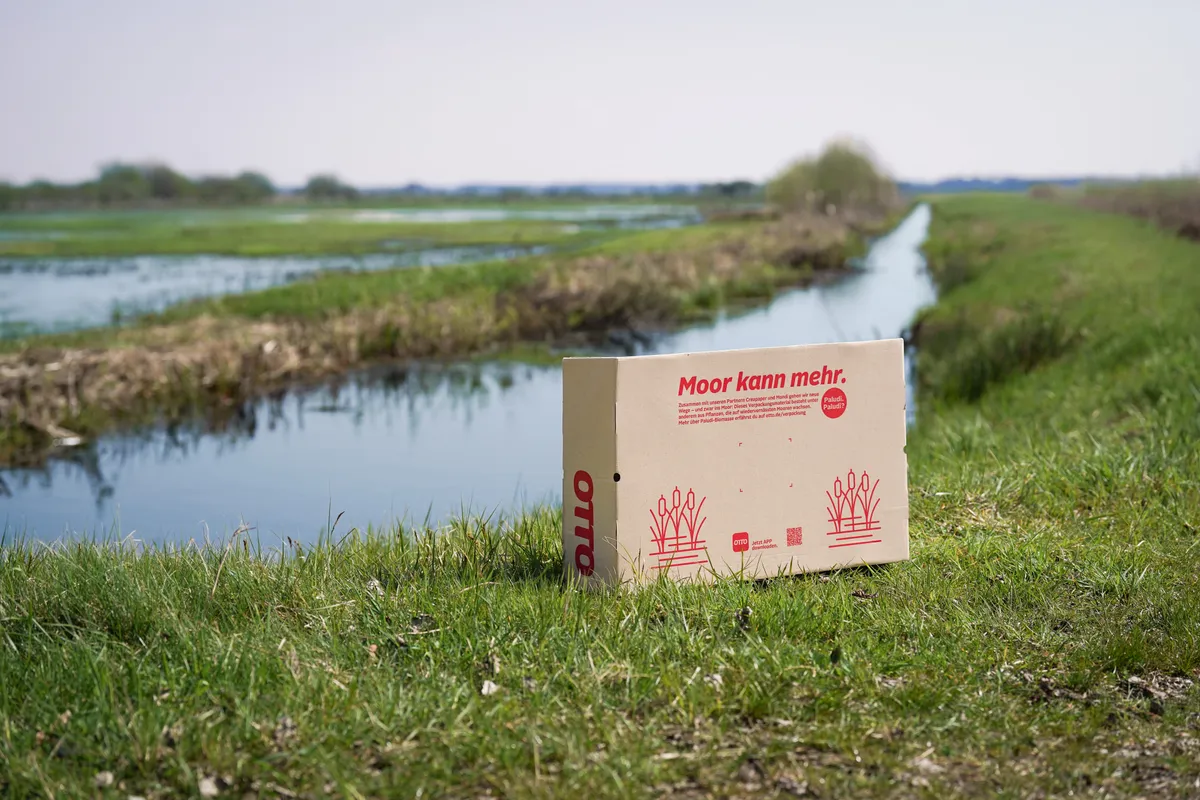
The peatland – perfect water supplier, excellent climate protector, and underestimated and threatened for centuries. Together with Paludi, we make our packaging from the grasses of the moors.

Many people associate peatlands with mud, darkness, fog, and large amounts of water. But this image does not tell the whole story. Peatlands play an important role in storing carbon and are themselves under considerable pressure. The good news: OTTO regularly supports a peatland restoration project. This article explains why peatland restoration matters for climate protection.
The figures are striking: In the past two centuries, 95 percent of German peatlands have been destroyed, and 60 percent of all peatlands once present in Europe are no longer there. Reasons for the loss of peatland landscapes include drainage, peat extraction, and intensive agriculture. Peat extraction continues to affect peatlands today, but more on that later.
Wetlands Once Considered Unproductive
Let us briefly look at the history of peatlands: In earlier times, they were often regarded as wasteland or barren land. As wet habitats, they were considered unsuitable for conventional agriculture and livestock farming. Therefore, entire regions were drained to convert them into agricultural land. Today, more than 50 percent of the peatlands in Northern and Central Europe are used. Agriculture accounts for the largest share of this use.
Peatlands Under Pressure
What we know today: Peatlands differ from many other ecosystems in their ability to store carbon. They store up to 2.4 billion tons of CO2. That's equivalent to the annual emissions of around 500 million cars. Their capacity to store carbon makes them relevant to climate protection. Intact peatlands can absorb carbon dioxide (CO2) from the atmosphere and store the carbon in peat soils.
Restoration: Rewetting Drained Peatlands
Preserving intact peatlands and rewetting drained areas are therefore important measures. This is where the initiative toMOORow comes in, supported by the Michael Otto Environmental Foundation, the Succow Foundation, and the Greifswald Moor Center.
The goal is to rewet drained peat soils and restore peatland ecosystems. Rewetting can help create more natural habitats and restore peatlands' capacity to store carbon.
What We Can All Pay Attention To
One important issue is peat. Peat is used in commercial horticulture to improve soils, grow plants, and for gardening at home. Both professional and hobby gardeners value peat because it can store large amounts of water for a long time and release it back to plants.
However, according to scientists, the continued use of peat in flower pots and garden beds could deplete Germany's peat reserves within 50 years. Peatlands also provide habitats for numerous plant and animal species.
They are habitats for a large number of amphibian species, rare dragonflies, and endangered bird species such as the golden plover or the hen harrier.
Developing Our Packaging with Paludi Biomass
In 2025, OTTO began testing different processing options and plant species. The goal is for cartons to contain the highest possible proportion of Paludi biomass in the future. The target is a 50 percent conversion by the end of 2026 and 100 percent by the end of 2027.
Contact