

Responsibility
Language is for everyone: Why OTTO is gender-neutral
He, she, it or they_he, sier and nin: Pronouns are as diverse as we humans are. While a large part of the population identifies as male and female, using "he" and "she," more alternative pronouns are emerging. For all those who do not feel they belong to either the male or female gender. But what does this do to our language?
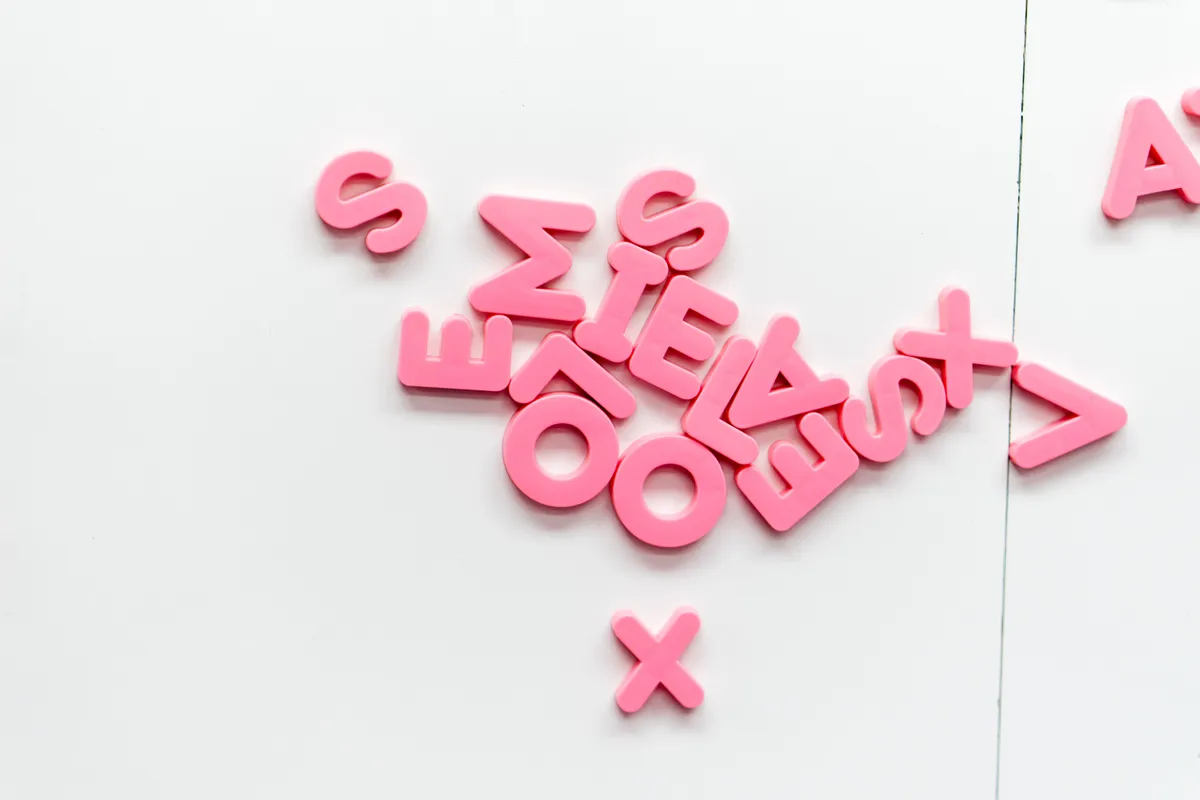

Before we begin, a quick note: This article is about the German Gendersternchen, or “gender star”. In German, an asterisk (*) can be placed within certain words to explicitly include people of all genders. English does not use an equivalent form, so the “little star” you will encounter below refers specifically to this German language convention.
After the city of Hanover in Lower Saxony advocated for the use of gender-inclusive language in its administrations in February 2019, criticism was loud from all directions. The language would be distorted, the texts much longer, and in general the little star is simply cumbersome. Some even predicted the decline of the German language.
Language creates ideas and evokes associations
Language is something that changes. Language creates ideas and evokes associations. The secretary is always female, the secretary is a desk. This choice of words is no longer contemporary. If everyone has the same rights, why not also linguistically? There is not only male and female. There is also diverse: all those who cannot identify with the binary distinction of man and woman. The stars among the readers.
We are changing ourselves and our own language. This change is certainly a bit rough here and there, takes time, and makes us ask for help. But it also means an exciting search for alternative formulations, for the right answers.
For equal language for men, women, and all other genders
We choose a *. For equal language for men, women, and all other genders. For the active change of our language towards a language for everyone. Because a little star does not make the language more difficult. Just different.
FAQ
Questions & Answers. Straight to the point.
Frequently asked
OTTO uses gender-inclusive language to address people respectfully and make people of all genders visible in its communications. It has been part of OTTO’s corporate communications since 2019 and is used across many internal and external formats.
In 2019, OTTO decided to use the gender asterisk, a form of gender-inclusive writing in German. It is intended to include not only men and women, but also people who do not identify within the binary distinction between male and female.
Language influences who feels seen and addressed. At OTTO, inclusive communication is therefore part of an approach that takes different people and perspectives into account.
OTTO also considers gender-inclusive language in the context of digital accessibility. This includes looking at how texts work for people who use screen readers or Braille displays. New findings and recommendations are taken into account as our communication continues to develop.
Contact