
Responsibility
Innovative Packaging from wild plastic
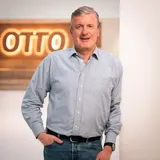
OTTO and WILDPLASTIC cooperate: Christian Sigmund is the co-founder and CEO of WILDPLASTIC – a purpose-driven organization dedicated to removing wild plastic from the environment and bringing it into a functional cycle. In the interview, Chris talks about the idea, the collaboration, and microplastics in the ocean.
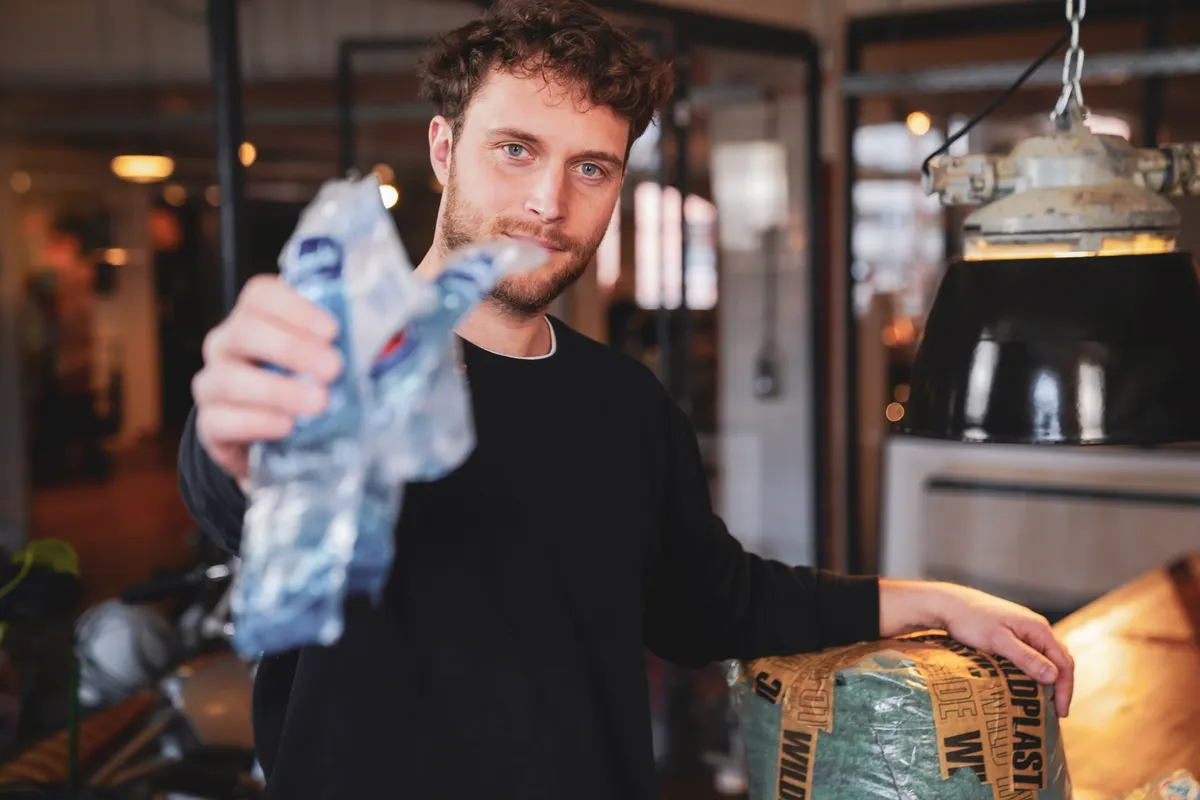

Christian Sigmund is co-founder and CEO of WILDPLASTIC – a purpose-driven organization dedicated to collecting wild plastic from the environment and returning it to the material cycle. In the interview, Chris talks about the idea, the collaboration, and microplastics in the ocean.
Hi Chris, how did you come up with the idea behind WILDPLASTIC?
The idea didn't come from me, but from the WILDPLASTIC collective. Our collective consists of creatives, entrepreneurs, and experts who want to return wild plastic to the material cycle as a raw material. We all had the same experience in different parts of the world – plastic waste is everywhere, polluting our environment. Whether in India, South America, or even on the beaches of Europe! Together, we want to contribute to the solution.
WILDPLASTIC has set itself the task of removing wild plastic from the environment and returning it to the material cycle.
WILDPLASTIC has set itself the task of removing wild plastic from the environment and bringing it into a functioning cycle.
Have you ever collected plastic on the beach yourself?
I lived in Ireland and England for four years and spent almost every weekend on the coast. After surfing, I always noticed how much plastic was on the beach. But I don't mean bottles or containers, but mainly microplastics – small particles that can no longer be collected. The conclusion is clear: We need to remove as much plastic as possible from the environment before it reaches our oceans!
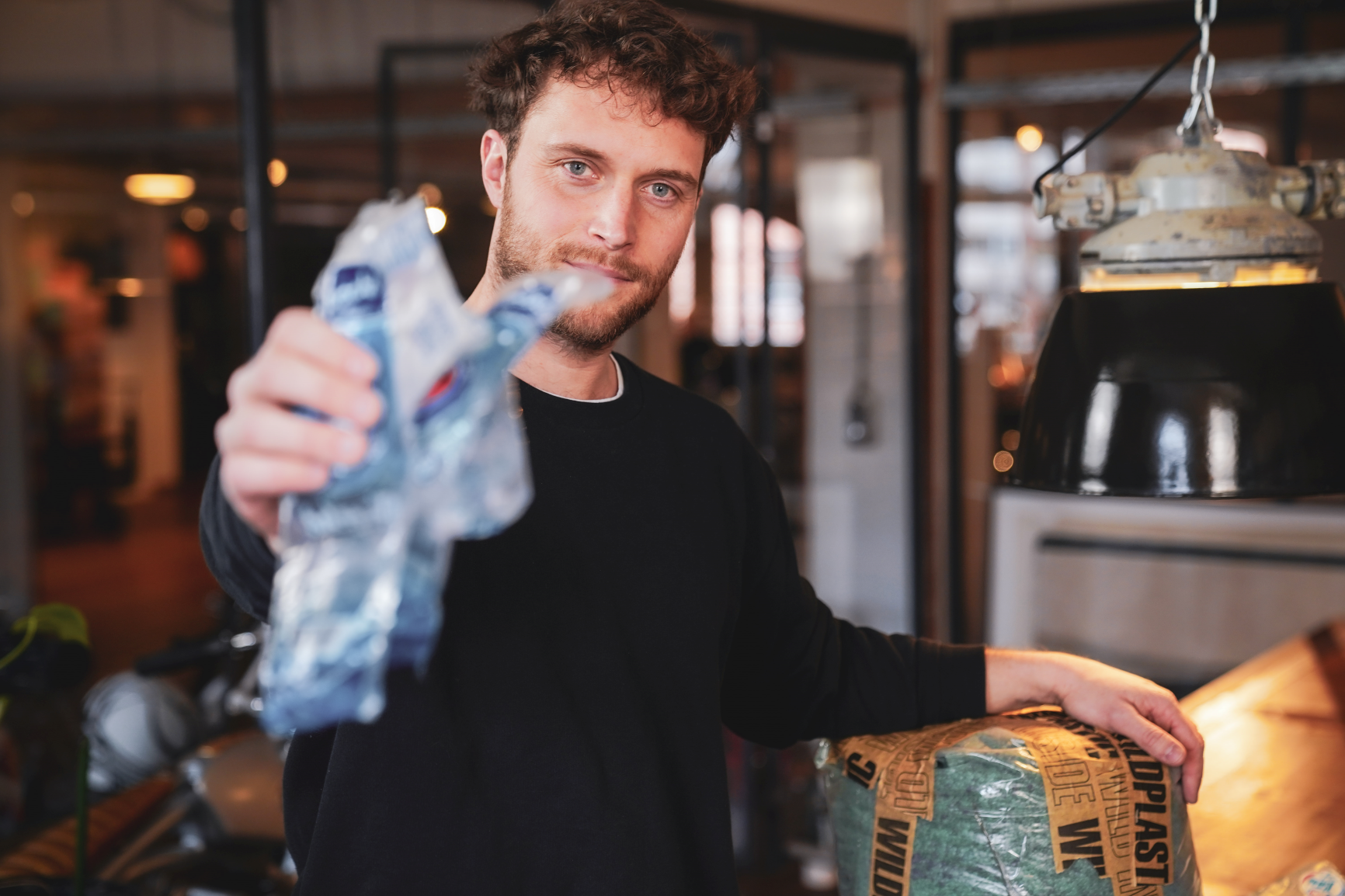
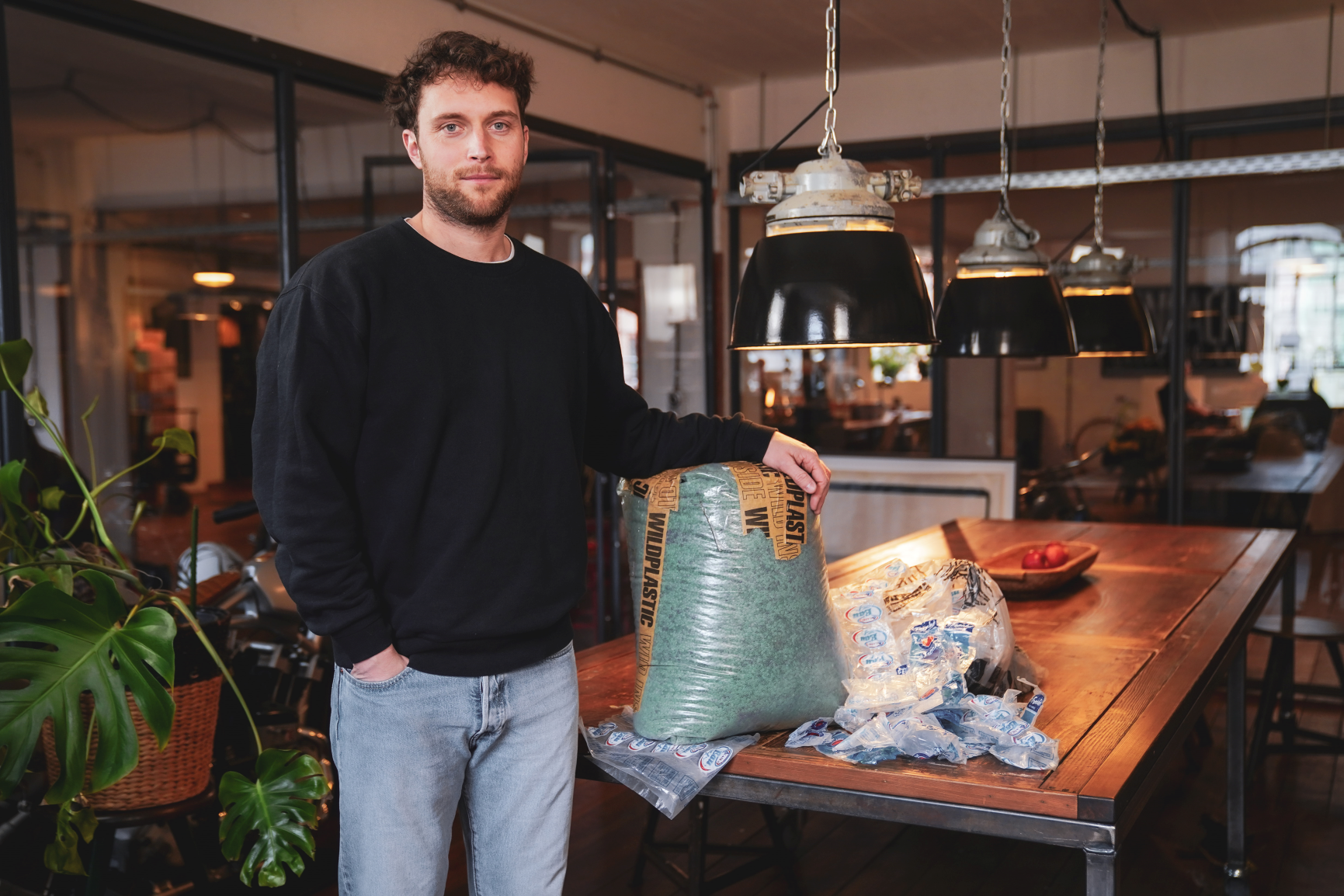
Let’s talk about the mailing bag. Where does the plastic for the WILDPLASTIC bags come from?
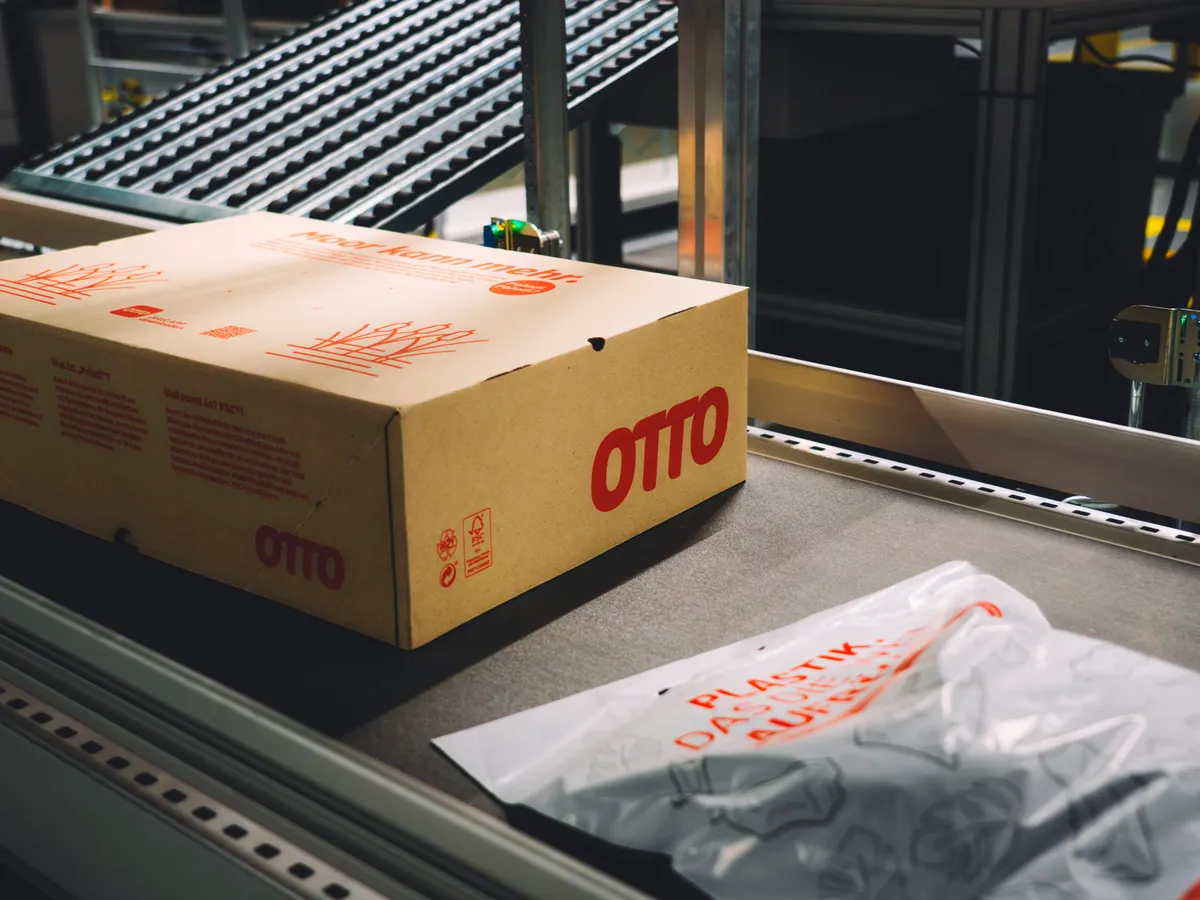
Wild plastic is collected in some of the most polluted areas in the world, for example in Haiti, Nigeria, or India. In these regions, there is no functioning waste management system and therefore no way to deal with the huge amounts of plastic waste. After collection, the plastic is compacted and shipped to Europe in containers for recycling. From there, it goes straight into the production of OTTO’s mailing bags.
Every WILDPLASTIC mailer makes a direct contribution
Is it really good for the environment when we take transportation and further processing into account?
We can only get the plastic problem under control if we both rethink our consumption and clean up the plastic that has already been produced. And every mailer made from WILDPLASTIC makes a direct contribution to this!
The collectors on the ground are some of the most marginalized people in the world. They often earn less than a dollar a day. That’s unjust, as their work makes an extremely important contribution. So, we ensure that the working conditions on the ground are steadily improving. Waste management in these countries does not work the way it does here. Therefore, it makes sense to process this plastic further.
What do you want to achieve with WILDPLASTIC?
I want to make a direct contribution to solving the problem with WILDPLASTIC. We want to act instead of just talking about it. Time is running out, and the amount of waste continues to increase ... “peak plastic” has not been reached yet! So, what are we waiting for? I also hope that many others will follow our example and that we can inspire other young entrepreneurs to search for good solutions. Today’s ideas will hopefully be an integral part of tomorrow’s complex world. We need motivators, inspirers, and scientists who will build the future with us!
Together we are breaking new ground and have developed the world's first mailer made from wild plastic.
Why are you working with us?
I think that OTTO has long demonstrated a strong commitment to environmental and climate issues. This has been confirmed in our discussions over the past few months. Through our collaboration, we bring this willingness to change together with our innovative solution and create something that has never existed before. To put it clearly: Together we are breaking new ground and have developed the world's first mailer made from wild plastic. This requires courage, perseverance, trust, and genuine conviction.
What should I do with my WILDPLASTIC bag once my order has arrived? How do I dispose of it properly so it can be recycled again?
It's very simple: Just put it in the yellow bag, the recycling bin, or the yellow bin, depending on what it's called in your region. This way, the WILDPLASTIC bag can be recycled and turned into something new!
Which person impresses you the most and why?
I am inspired by my older sister’s two daughters, Lea and Alma. They are not yet 10 years old, live in Ireland, and will hopefully live to see the year 2100. What will the world be like then? And what can I do today to leave them a planet that is in the best possible condition?
These questions are very much on my mind, and I hope they will develop the same love of nature that I have.
Therefore, together with OTTO, we are moving forward with plans to gradually produce more and more mailers from WILDPLASTIC.
When you look into the future, how should things ideally proceed with WILDPLASTIC?
We don't primarily measure our success by sales, but by the number of tons of plastic waste collected. And of course, this curve needs to rise steeply! We are most effective when our long-term commitment also helps create sustainable local structures. Sort of like a municipal waste collection service for Haiti or northern Nigeria.
Therefore, together with OTTO, we are moving forward with plans to gradually produce more and more mailers from WILDPLASTIC. And once we’ve achieved that, we’re already dreaming about the next ideas. The beach is full of trash, including other types of plastic. How about, for example, furniture made from WILDPLASTIC? [laughs]
Why doesn't WILDPLASTIC mailers completely skip plastic and switch to biodegradable materials?
Because there is still too much plastic out there. WILDPLASTIC is a raw material recovered from the environment and contributes directly to a cleaner world. But the positive impact goes beyond just cleaning up. Collectors are paid better, and we also save CO2. Biodegradable materials make sense if the materials actually end up in the environment. I would be delighted if, for example, the drinking water bags in Haiti were biodegradable in the future, but unfortunately, they are not, so we collect them.
What tip do you have for all of us to make our daily lives a little more sustainable?
What is the one thing you could most easily change? Open a sustainable bank account with Tomorrow? Bake more bread yourself? Swap clothes with friends? It always depends on what you find easy. And that's exactly where you should start. Because once you’ve taken the first step, it feels pretty good.
FAQ
Questions & Answers. Straight to the point.
Frequently asked
WILDPLASTIC processes plastic waste collected in regions where waste management infrastructure is limited. The plastic is cleaned, processed into granulate and used for products including mailing bags.
OTTO and WILDPLASTIC have been developing mailing bags made from plastic collected from the environment for several years. Since January 2024, all OTTO mailing bags have been made from WILDPLASTIC material.
The material comes from plastic waste collected in regions where waste management infrastructure is limited. The plastic is then cleaned, processed into granulate and used to produce OTTO’s mailing bags.
Between 2021 and the end of 2023, around 308 tonnes of plastic were collected and processed for OTTO’s mailing bags. In January 2024, OTTO completed the switch to WILDPLASTIC material for all its mailing bags.
Contact