Employer & Culture
OTTO relies on hybrid work model and is expanding mobile working
OTTO is expanding its mobile working model, introduced in 2017. The new hybrid approach gives employees more flexibility to work remotely or in the office, depending on the task and where it can best be done.
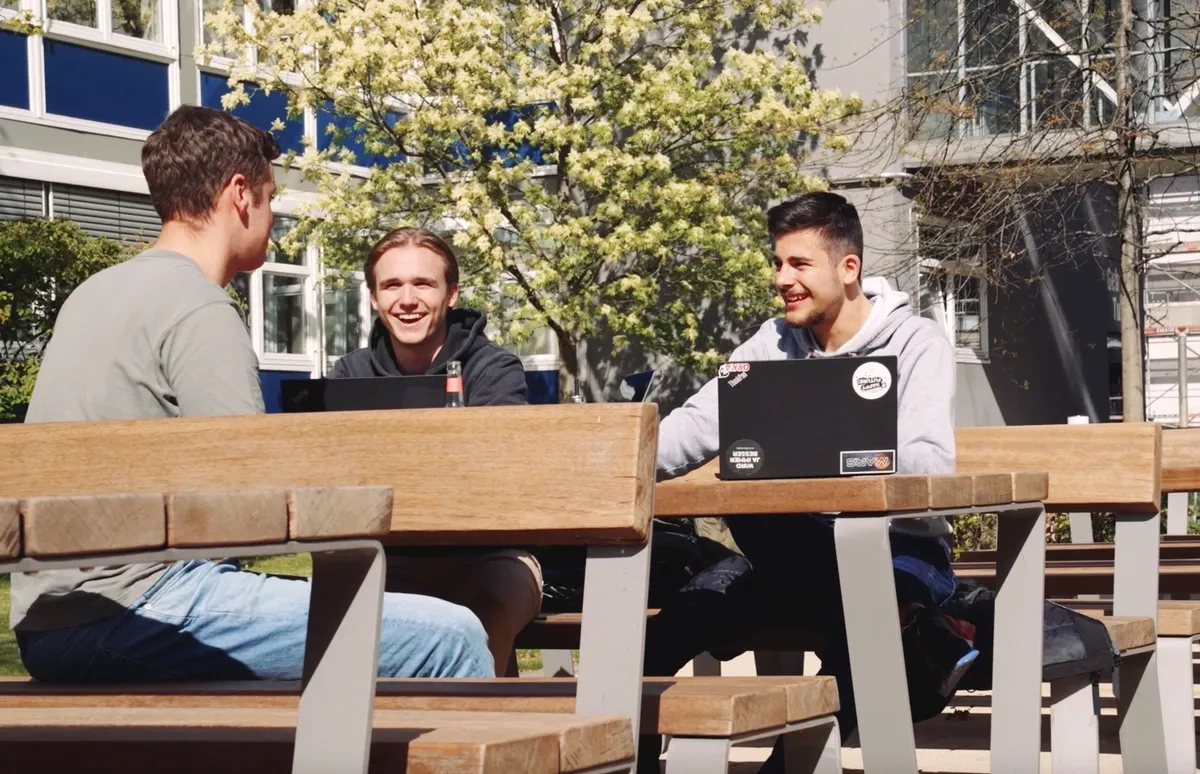

Hybrid working was becoming the new standard at OTTO, the largest German online retailer. At the same time, OTTO reviewed the plans for its new headquarters, then under construction in Hamburg. The aim was to adapt the office space to new ways of working, including additional areas for project work.
Activity-based working instead of mandatory working from home
Mobile working without becoming a fully remote company
The Otto Group Campus remains at the heart of OTTO
Office plans for the new headquarters under review
High levels of remote working at OTTO
Since mid-March 2020, the majority of OTTO’s nearly 5,000 employees had been working from home. At peak times, more than 95 per cent were working remotely. However, this was not intended to become a permanent model.
“We believe neither mandatory working from home nor mandatory office attendance is the right approach. Instead, employees should choose where they work based on the task at hand, in consultation with their team and in line with work processes. This does not mean that our campus is becoming obsolete. On the contrary, it will continue to play an important role as a place to meet, collaborate and experience our corporate culture. The campus is and remains the heart of our company,” says Katy Roewer, OTTO Executive Board Member for HR and Service.
Since Monday, 17 August, up to 50 per cent of employees had been allowed to return to the office, subject to the applicable hygiene and distancing rules. Returning to the campus was voluntary. Depending on the development of the pandemic, OTTO reserved the right to restrict access again.
“The health of our employees remains our top priority. We are aligning our current actions with this,” says Katy Roewer. “At the same time, we need to decide what working at OTTO should look like in the future. A hybrid model is clearly our preferred approach.”
Activity-based working as the new standard
OTTO’s long-term goal was a hybrid, activity-based working model combining the benefits of campus and mobile working. The campus was intended primarily for collaboration, creative work and networking across teams.
Mobile working had been technically and organisationally possible at OTTO since 2017 and was set to expand further.
“The past few months have shown us that mobile working works well and that we have the right technology in place. Outside a crisis, however, OTTO does not intend to become a fully remote company. Instead, we want employees to choose the workplace that best suits the task. That could be one of the many spaces on our campus, their home or another location,” says Irene Oksinoglu, Head of Future Work at OTTO.
“The traditional office was already obsolete before coronavirus”
OTTO expected more employees to work remotely on a regular basis than before the coronavirus pandemic. As a result, fewer employees were expected to be on campus at the same time.
This also affected the planning of OTTO’s new headquarters, which had been under construction since early 2019 and was scheduled for completion in 2022. The planned use and layout of the office space was therefore reviewed.
Irene Oksinoglu: “The traditional office at OTTO was already obsolete long before coronavirus. That is why the new headquarters was planned without individual offices from the outset. Over the past few months, however, mobile working has become even more important. We need to reflect this in the design of our buildings, our culture and our technology.
The office of the future will be a place for meeting, networking, creative collaboration and social interaction. We need to create the right conditions for this. Additional project spaces are one option, while quiet workspaces could also become more important.”
Contact