
AI & Technology
30 years of otto.de – and AI is writing the next chapter
In 1995, otto.de set out as an ambitious innovation project into the new world of shopping on the internet. Today, 30 years later, OTTO as a web shop and app is an indispensable part of the German e-commerce landscape. Dr Michael Müller-Wünsch, whom everyone simply calls MüWü, is CIO of OTTO and talks in an interview about pioneering milestones and takes a look at the future of e-commerce with AI.

Hey MüWü, otto.de is 30 years old. A look back shows how much has happened since 1995. OTTO is now the largest German online retailer and has more than 70 AI applications in use every day, ten of them based on generative artificial intelligence. What could a look into the future look like?
MÜWÜ: In the mid-1980s, I was already doing research in the field of artificial intelligence at TU Berlin. I worked on AI agents for different areas: environmental management, finance, and I had access to the first thoughts on autonomous driving. However, we were not yet technologically advanced enough to put it all into practice. Today – almost 40 years later – exactly that is becoming reality. I get goosebumps every time I think about it.
We are in the middle of the next phase of business transformation through technology. I am impressed by the speed at which innovations in artificial intelligence are currently advancing, and that makes a clear outlook difficult. One thing is certain, however: AI and now AI commerce will fundamentally influence e-commerce. And in the same way, AI is increasingly becoming part of our digitalised processes.
AI agents in particular are currently the subject of heated debate – how can we imagine shopping in the future?
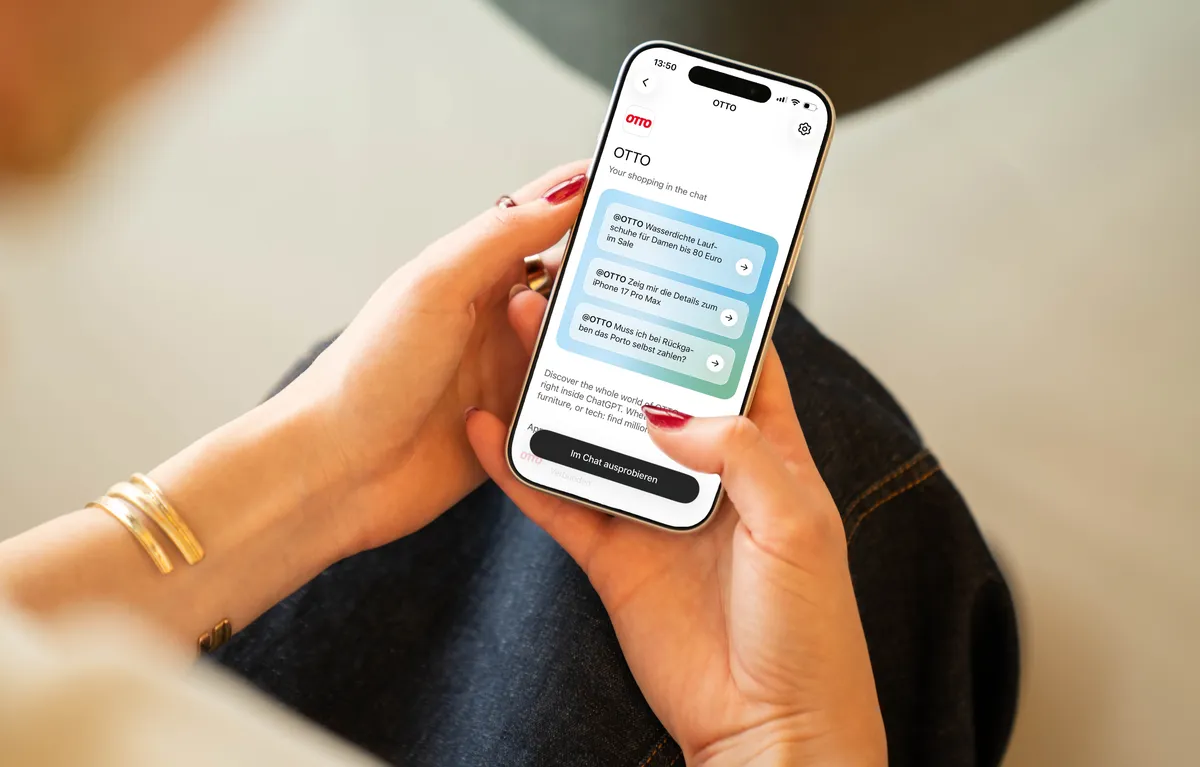
We are already seeing the first beginnings of what AI commerce could look like. E-commerce has for some years been using AI features selectively in product search, product presentation and personalisation. What we have seen for years in customer service, that is, after sales, through simple chatbot technologies is now extending to the pre-sales and sales process. The first shopping assistants are emerging, in which conversational search guides and advises customers to the product they want. These shopping assistants take place onsite on the e-commerce platforms. With the arrival of generative AI in our everyday lives through GenAI agents such as ChatGPT, Perplexity or Gemini, a new dimension has been added: people use these large language models, or GenAI platforms, to get advice and search for products. This initially takes place offsite, and the GenAI platforms then forward users, directly or indirectly – depending on the depth of integration – to online shops, where they can complete the purchase.
One thing is certain: AI, and now AI commerce, will fundamentally influence e-commerce.

So anyone who does not just want to search for products or be inspired, but wants to be advised as in a shop, will love these new possibilities. For me, this is the next big step in retail!
How can we imagine this in practice?
A first stage of development could look like this: you give your shopping agent an instruction, the AI curates suitable offers from different shops on the basis of personal preferences and, if you wish, completes purchases – but not autonomously. The final decision stays with the human. We are already testing corresponding prototypes at OTTO today that allow our customers to experience a much more individual product selection and advice.
The next stage could go a little further: an AI agent proactively takes over the entire shopping, starting with suggesting what you might need, through payment to delivery. The agent could, for example, automatically recognise when you need new household items. It suggests alternatives tailored to you and initiates ordering processes for you. In doing so, the AI always acts in your interests and continuously learns.
That sounds like very personal service in everyday life, but also like a high level of trust in AI. Do you think people will allow that?
I believe AI agents will increasingly enrich our everyday lives by enabling more convenience, time savings and better advice. We already entrust many things to our smartphones, for example. But this trust definitely requires transparency, ethical standards and clear responsibilities. In case of doubt, people must always have the possibility to keep control over their data and decisions.
But I am convinced: the combination of technological progress, responsible application and people at the centre will shape the shopping experience of the future. It will be smarter and more personal than ever.
MüWü, thank you very much for the insights into the future of shopping!
Contact